Basket trading strategies in forex
Basket trading in the forex market refers to the practice of trading multiple currency pairs as a single combined position rather than placing isolated trades. The method lets investors manage their market exposure to broad trends which include dollar value fluctuations while they reduce their reliance on specific currency pairs. Instead of focusing on a single price chart, basket trading evaluates how a group of currencies behaves together.
A trader who predicts the U.S. dollar will become less valuable. Rather than selling one pair, such as EUR/USD, a basket may include selling USD against the euro, yen, and pound simultaneously. The positions maintain their basic forex operational structure. The standard lot represents 100,000 units of the base currency but the pip value requires individual calculation for each currency pair. The total risk of the basket depends on the combined position size because margin and leverage affect all trades in the basket. The strategy requires investors to follow particular rules which enable them to manage their investment levels and assess possible risks.
Concept of forex currency baskets
A forex currency basket is a structured group of currency pairs traded together to express a single market view. The basket system distributes exchange rate risk through multiple currency pairs which share similar exchange rates to minimize individual currency price volatility. The combined movement of the basket becomes more relevant than the performance of any single trade.
A euro strength-focused basket would contain long positions in EUR/USD and EUR/JPY and EUR/GBP. The basket system enables users to establish individual size specifications which must be met for all positions. It operates with 0.20 lots for each trading transaction. Since one standard lot equals 100,000 units, each position represents 20,000 units of the base currency. The value of Pip varies between different currency pairs but the total risk exposure can be calculated by adding up the pip values of all instruments in the basket. The margin calculation for each trade enables individual leverage application but the total account risk depends on all margin amounts used.
Historical development of basket trading in financial markets
The institutional market developed basket trading as a system to handle currency exposure between different economies instead of using individual exchange rates. Early applications appeared in central banking and international portfolio management, where currencies were grouped to reflect trade-weighted exposure. The measurement of broad U.S. dollar and euro performance against major trading partners uses currency baskets as a well-documented example.
The introduction of electronic trading platforms enabled both professional and retail forex traders to access basket trading through the market. Users could activate multiple positions simultaneously through MT4 and MT5 platforms which enabled them to create baskets with particular lot sizes and predefined risk parameters. The total exposure from five currency pairs at 0.10 lots each equals 0.50 standard lots but margin requirements continue to apply to each individual position. The approach unites all Pip trading results into one basket which allows users to assess their complete trading performance by reviewing their market transactions as a whole.
The rationale behind using basket trading strategies
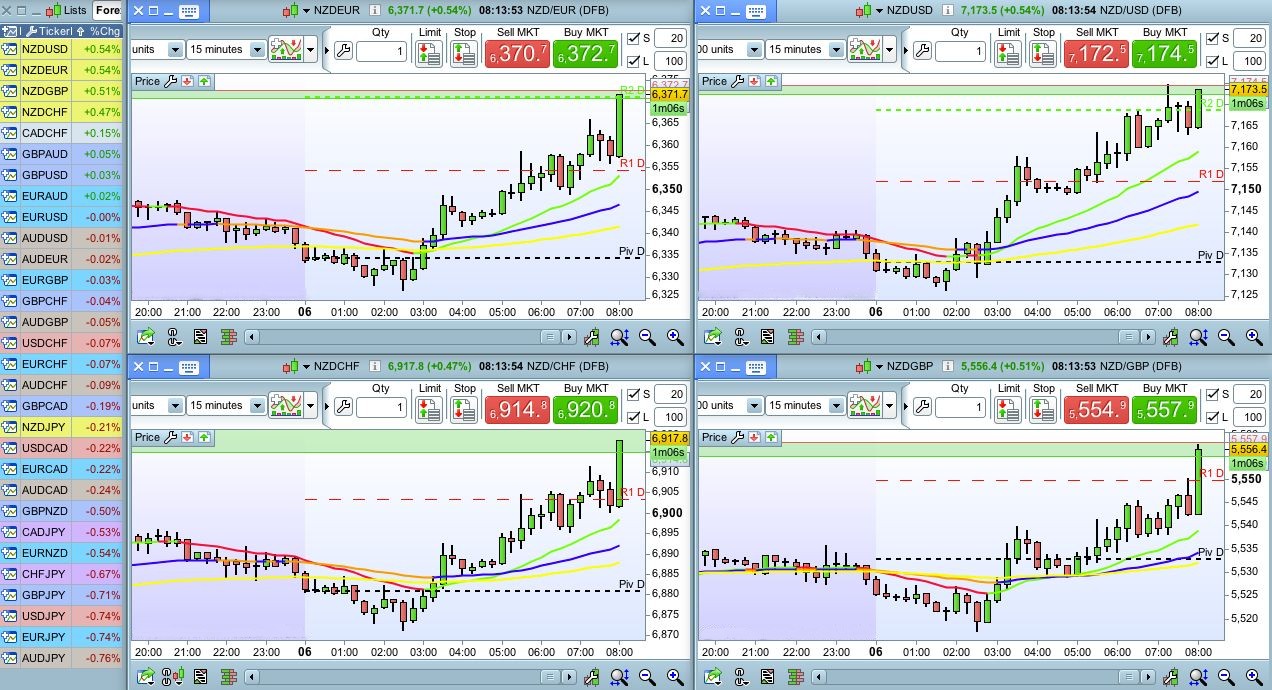
The main purpose of Basket trading strategies exists to solve the main problem which forex traders face when they need to handle concentration risk. The use of one currency pair for trading makes results vulnerable to market fluctuations which affect this specific pair and to news announcements and short-term market irregularities. The basket method distributes investment risk across different exchange rate pairs which together represent a market trend instead of focusing on one specific exchange rate.
A strategy which focuses on U.S. dollar weakness requires traders to sell USD against multiple major currencies. Let’s say four pairs are traded at 0.25 lots each. The total exposure reaches one standard lot because each position represents 25,000 units of the base currency. The basket system needs to perform individual calculations of pip gains and losses before it will merge these results to find the complete performance outcome. Margin is also applied per trade, meaning leverage affects each position individually while total margin usage reflects the entire basket.
Types of basket trading approaches in forex
The implementation of basket trading approaches for forex requires different methods which depend on how traders distribute their market exposure and perform risk management. The directional basket represents a popular trading method which uses various currency pairs to achieve a single market direction. A basket which focuses on Japanese yen strength would contain short positions in USD/JPY and also in EUR/JPY and GBP/JPY. Each trade is sized individually, such as 0.15 lots per pair, resulting in a combined exposure of 0.45 standard lots. The approach calculates Pip gains and losses for each trading position before it combines the results to determine how the entire basket of assets performed.
A hedged or balanced basket represents another method which unites long and short investment positions to minimize market fluctuations. The basket contains two positions which have equal lot sizes for EUR/USD and USD/CHF currency pairs. The two movements in each pair will partially cancel out each other which will result in more stable overall findings. The application of margin and leverage rules exists for individual trades which requires traders to monitor their total margin consumption.
Correlation and diversification in basket trading
The behavior of a forex basket depends heavily on the correlation between its different components. Currency pairs show limited independence because their base and quote currencies tend to react similarly to economic data and central bank actions. The positive correlation between pairs shows they follow the same direction but negative correlation shows they move against each other. The knowledge of these connections enables users to prevent accidental risk growth in their basket.
The basket contains two currency pairs which are EUR/USD and GBP/USD. Both pairs often react similarly to U.S. dollar movements. The total market exposure will act as a single large position because each trading position has a 0.20 lots size during periods when the dollar experiences significant price changes. In contrast, combining EUR/USD with USD/JPY introduces diversification, as reactions to risk sentiment and interest rate expectations may differ. Pip gains and losses are still calculated per trade, but diversified movement can reduce overall volatility.
Technical and fundamental analysis in basket construction
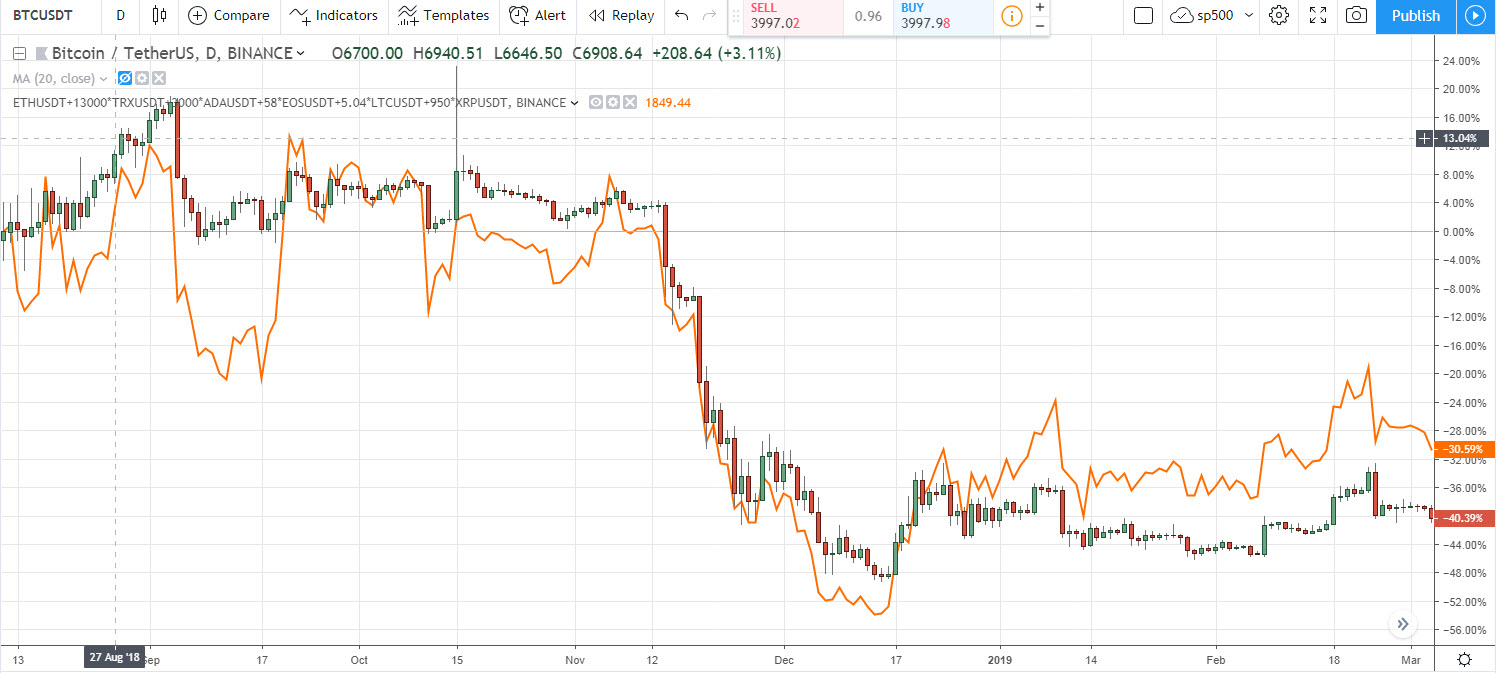
Technical and fundamental analysis are commonly combined when constructing a forex trading basket, as each method addresses different aspects of market behavior. Technical analysis uses price data together with trend analysis of multiple currency pairs to detect long-term market trends which affect the basket's worth. The application of moving averages and relative strength indicators to each currency pair helps traders verify market alignment before they start trading.
The euro strength basket includes trading pairs which have their prices exceeding important daily chart trend levels. Let’s say three qualifying pairs are selected and each is traded at 0.20 lots. The pip value calculation runs independently for each trading position but the technical connection between positions stops prices from moving unpredictably across the entire basket. Fundamental analysis helps us understand markets better through its analysis of interest rate projections and inflation statistics and central bank announcements. The economic data releases which affect multiple currencies at once make them essential for investors who use basket strategies.
Benefits and limitations of basket trading strategies
The practice of basket trading provides users with multiple useful benefits which help them handle their foreign exchange market risks. The main benefit of this strategy reduces the requirement to use only one currency pair. The distribution of positions across different market pairs helps to reduce short-term market volatility because one market's instability will be balanced by the other market's stability. The basket contains five trading pairs which each trade at 0.20 lots. The different positions in the market have their own value in pips and their own margin rules yet their total risk exposure shows the general market direction instead of individual price changes. This structure supports smoother equity curves and more consistent risk distribution.
The Basket strategy enables investors to manage their investment amounts because this approach helps them establish suitable position sizes. The assessment of total risk takes place at the basket level which creates a better connection between production quantities and the current risk reduction limits. The system enables traders to monitor their complete trading activities through aggregated pip movement tracking which replaces their need to monitor individual trades.
Conclusion
The most suitable trading method for market view expression with single-pair risk management is Basket trading. The process of currency pair grouping enables exposure to move from individual price fluctuations toward macroeconomic trend-driven collective market behavior which central banks influence. The system achieves its best performance when market forces provide clear direction because it handles situations that stem from different interest rate expectations and shifting worldwide risk perceptions.
The method enables parties to share risk responsibilities between them while they can always see the maximum possible exposure amount. The key to success depends on leverage because investors who own multiple assets become more vulnerable to major market declines when their investments link together.