Order flow trading: How smart money shapes the forex market
Order flow trading analyzes the actual market transactions which determine currency price movements. Order flow analysis studies market entry orders and liquidity absorption and price reactions to market pressure instead of using historical charts as its basis.
A major bank places multiple EUR/USD buy orders through the market. The market price increases when sellers at different price points exhaust their available sell capacity because the system needs to locate additional willing sellers. Market participants create order flow through their market interactions by buying and selling securities while accessing market liquidity. The market price shows fast movements because of order flow dynamics even when no news events occur.
Order flow analysis reveals how smart money functions and creates short-term market imbalances and explains why support and resistance levels become ineffective without warning. Order flow analysis enables traders who practice risk management to study market behavior through real-time data analysis.
What order flow really means in the currency market
The currency market experiences continuous buy and sell order streams which determine actual price movements. The market price reaches its peak when demand exceeds supply in the market. The market price increases when buyers outpace available sellers because it attracts additional sellers to enter the market. The market price decreases when sellers outnumber buyers because it searches for additional buyers. Real-time order flow analysis provides superior market dynamics information than analyzing historical price data.
One standard lot of EUR/USD contains 100,000 base currency units. Multiple institutional buy orders for multiple standard lots will deplete all available sell orders at the current market price within a short period. The market price advances to the following price point where traders place their sell orders. It shows rapid pips-based movements during periods of market stability even when there are no economic announcements.
The distribution of orders across different price points together with the behavior of limit and market orders and market liquidity patterns during peak and low trading activity periods are all part of order flow analysis. Traders who learn to read order flow patterns can identify the reasons behind price fluctuations that exceed market expectations through short-term price movements.
The role of liquidity and market participants
The execution of trades without major price fluctuations depends on the total number of buy and sell orders that exist across various price levels. The forex market shows different levels of liquidity through its currency pairs and trading sessions and time periods. The EUR/USD and USD/JPY currency pairs maintain high market liquidity because institutional investors and retail traders create extensive trading activity in these pairs.
A trader initiates a market order to acquire 100,000 units of EUR/USD during the London–New York session overlap. The market provides sufficient sell orders during this time because numerous banks and funds operate in the market. The same trading order will require multiple price levels to execute during periods of low market activity which results in a small price increase.
The liquidity pool receives its supply from different types of market participants. The majority of trading volume comes from large banks and hedge funds and corporations but retail traders generate additional orders through their trading activities. Market orders from traders enable them to execute trades right away but they also use limit orders to establish trading conditions at particular price points. The trading activities between market participants create both short-term market fluctuations and daily order flow patterns.
Order flow vs traditional technical analysis
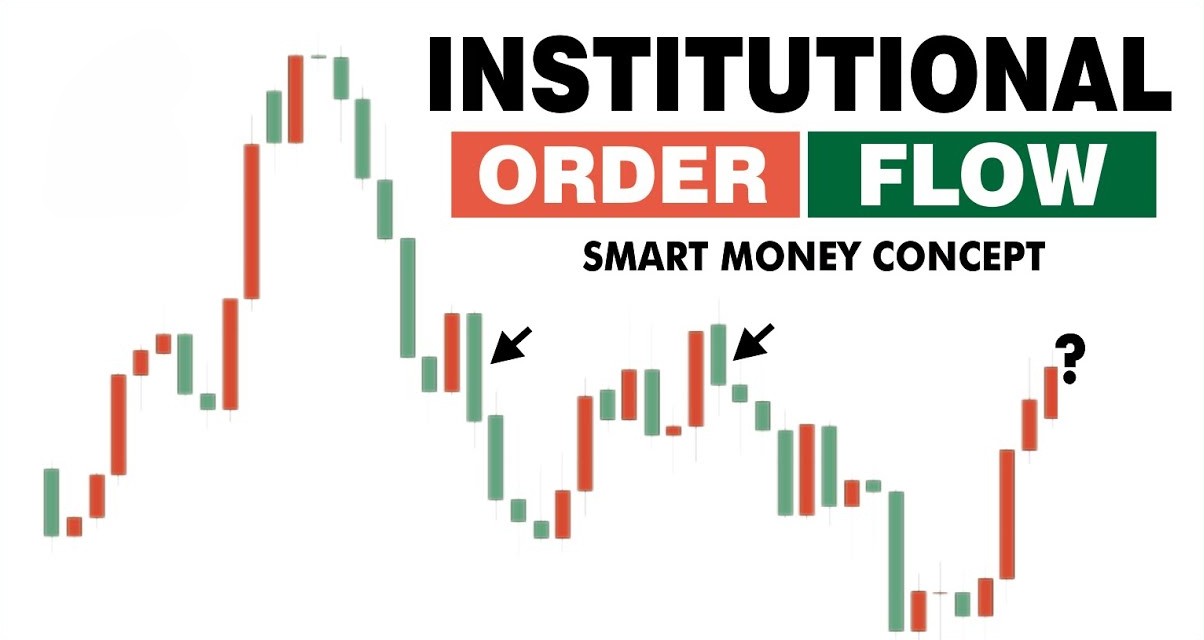
The market analysis through order flow analysis operates independently from traditional technical analysis methods. Technical analysis uses historical price data to predict market directions through trendline analysis and moving average calculations and chart pattern identification. Order flow analysis studies the actual market transactions between buyers and sellers at different price points to determine price movement origins.
The EUR/USD chart displays resistance at the round number according to its design. Technical analysts use past price behavior to identify this specific price level. The analysis of order flow reveals more information because it shows how market buyers absorb actual selling orders by raising their offer prices. The market will experience price breakthrough at this level when buyers submit multiple aggressive orders that eliminate all available sell positions.
The two methods differ in their requirement for exact timing specifications. Technical indicators need finished price data to operate but order flow analysis monitors how aggressive market participants affect the price formation process. The analysis of chart structure together with real-time execution data from order flow analysis generates superior market insights. The combination of both methods enables better risk management and improved trading decisions through extended research.
Tools and data used in order flow trading
Order flow trading requires specific tools which show how market orders enter the system and get executed and completed at various price points. These tools evaluate market activities by studying transaction volume and execution speed and how buyers and sellers interact in the market. The tools for order flow trading include depth of market screens and volume profiles and time and sales windows and tick-based charts which show how market liquidity shifts in real-time.
A depth of market window displays all pending buy and sell limit orders which stack up at their respective price points. The available market volume decreases when 15 standard lots of sell orders remain at a particular price point while market buyers start to consume this liquidity which creates upward price pressure that appears before traditional charts show it. Volume profile tools display trading activity by price segments instead of time segments to reveal the most active market areas.
Retail trading platforms obtain their data through combined broker feed aggregation but institutional investors get access to regulated futures volume through exchange platforms. The system interface lets users access different market segments through its connection to its data sources. The tools enable users to develop skills which help them identify market liquidity changes and execute trades with better precision.
Interpreting smart money activity in real time
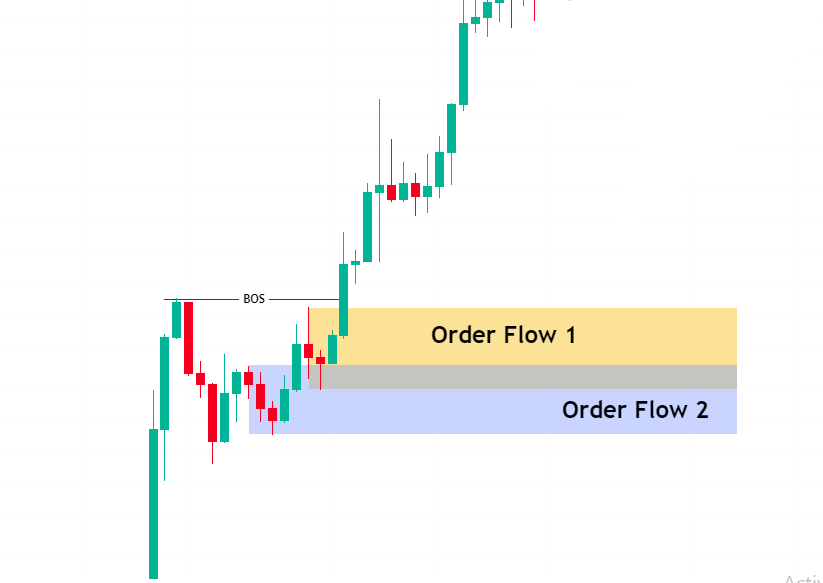
Real-time smart money activity interpretation depends on watching how big orders affect market liquidity and how prices react to their interaction. Smart money consists of banks and funds and institutional trading desks which execute trades that exceed standard retail trading amounts. The market reveals their presence through their ability to consume market liquidity repeatedly and their ability to maintain market direction and their capacity to execute trades at high speeds.
It shows a sequence of market buy orders amounting to 50 standard lots which enter the market during a short time period. Also, the market shows large sell liquidity absorption when price moves up by one or two pips before stopping its advance and demonstrates buyer control through price movements that advance multiple pips without facing major opposition.
The market generates real-time signals through its failed price movement patterns, and experiences brief investor interest when prices cross major levels but investors return to their previous positions because their aggressive market orders vanish.
Advantages and limitations of order flow trading
The system demonstrates price formation through real-time market activities instead of depending on delayed indicators for signal generation. It provides exact time measurement as its main benefit and shows its first price changes when aggressive trading orders begin to extract or destroy market liquidity. The continuous execution of 10 standard lot market buy orders at one to two pips per wave demonstrates market demand without needing to wait for delayed indicators. The order flow trading enables better timing of market entries and exits.
The system allows users to detect fake market breaks through its analytical features. The market price breaks through a level but order flow data shows insufficient support which leads to a fast price reversal. The order flow trading allows traders to reduce their risk from losing money on unprofitable trading positions. It operates under various operational limitations. Spot forex trading operates as a decentralized system which requires retail platforms to combine trading volume data because they lack access to a single order book system. The system provides access to limited market activity data because it lacks complete visibility into all market transactions. Order flow analysis requires continuous monitoring because market conditions shift rapidly while following all execution protocols without deviation. Order flow analysis together with structured risk management systems form the base of tools which traders need to achieve success in their long-term trading activities.
Conclusion
Order flow trading allows traders to watch how prices form through real-time market activity instead of depending on delayed market information. The analysis of liquidity consumption and large order entry points and price reactions to these events enables traders to understand market behavior in real-time. The method enables better decision-making when traders use it with appropriate position management and risk control and defined stop-loss levels.
The market price continues to rise by multiple pips because market buyers keep sending their orders while sell orders face limited market participation. The market behavior indicates ongoing market demand which provides useful information that standard chart patterns have not yet shown. The basic concepts of lot sizes and pip values and margin requirements and stop loss placement enable traders to create a functional order flow analysis system.